
Why Firm Mattresses Aren't Always Better for Back Pain: Expert Insights

Many believe that a firm mattress is the best remedy for back pain, but this isn’t always the case. Factors like sleep position, body weight, and personal preference play a crucial role in determining the right mattress. This article explores why firm mattresses aren’t always better for back pain and what you should consider for optimal comfort and support.
Key Takeaways
-
The ideal mattress for back pain relief varies by individual factors such as sleeping position, body weight, and personal comfort, debunking the myth that firmer mattresses are always better.
-
Proper spinal alignment and pressure relief are crucial for alleviating back pain, and the balance between firmness and cushioning in a mattress plays a key role in achieving quality sleep.
-
Testing different mattresses and considering personal preferences, along with investing in quality materials, significantly impact comfort and support for those suffering from back pain.
Why Firm Mattresses Aren't Always Better for Back Pain: Expert Insights
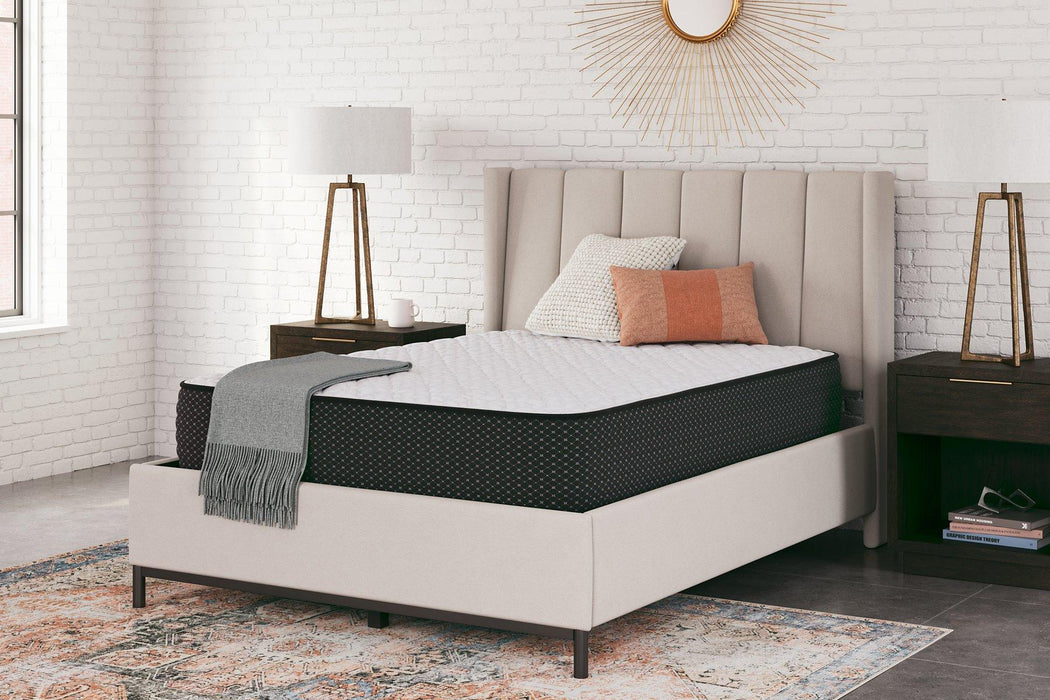
When it comes to mattresses, firmer isn’t always better. While it’s true that mattresses play a crucial role in supporting the body and maintaining spinal alignment, the relationship between firmness and comfort is more complex than many realize. A firm mattress can sometimes cause discomfort and exacerbate back pain, depending on individual factors such as sleep position and body weight. Choosing the right mattress for back pain relief requires considering individual preferences and needs.
The ideal mattress for back pain relief isn’t a one-size-fits-all solution. It depends on a variety of factors, including your sleeping position, body weight, and personal comfort levels. For instance, a mattress that works well for a back sleeper may not be suitable for a side sleeper. Similarly, a lightweight person might find a firm mattress too hard, while a heavier individual may require more support. It’s important to weigh these factors and select a mattress that offers both support and comfort.
Moreover, a well-chosen mattress can significantly improve the quality of sleep for those suffering from back pain. The right mattress can reduce pain and promote restful sleep by aligning the spine and relieving pressure points. This blog post will delve into the various aspects of mattress firmness and how it affects back pain, providing you with expert insights to help you make an informed decision.
Introduction
Back pain is a common ailment that affects a significant portion of the population, particularly as we age. Statistics show that around 75% of older adults experience low-back pain, which can severely impact their quality of life. One of the most troublesome aspects of back pain is its effect on sleep. Approximately 60% of individuals with back pain report that it disrupts their sleep, leading to a vicious cycle of pain and sleeplessness.
Understanding how mattresses affect back pain is crucial, given the widespread nature of the issue. There’s a common misconception that firmer mattresses are always better for alleviating back pain, but this is not necessarily true.
The right mattress for back pain relief varies greatly based on individual preferences, body weight, and specific health conditions. This blog post aims to debunk the myth that firmer mattresses are always better and provide expert insights into choosing the right mattress for back pain relief.
The Myth of Firm Mattresses for Back Pain
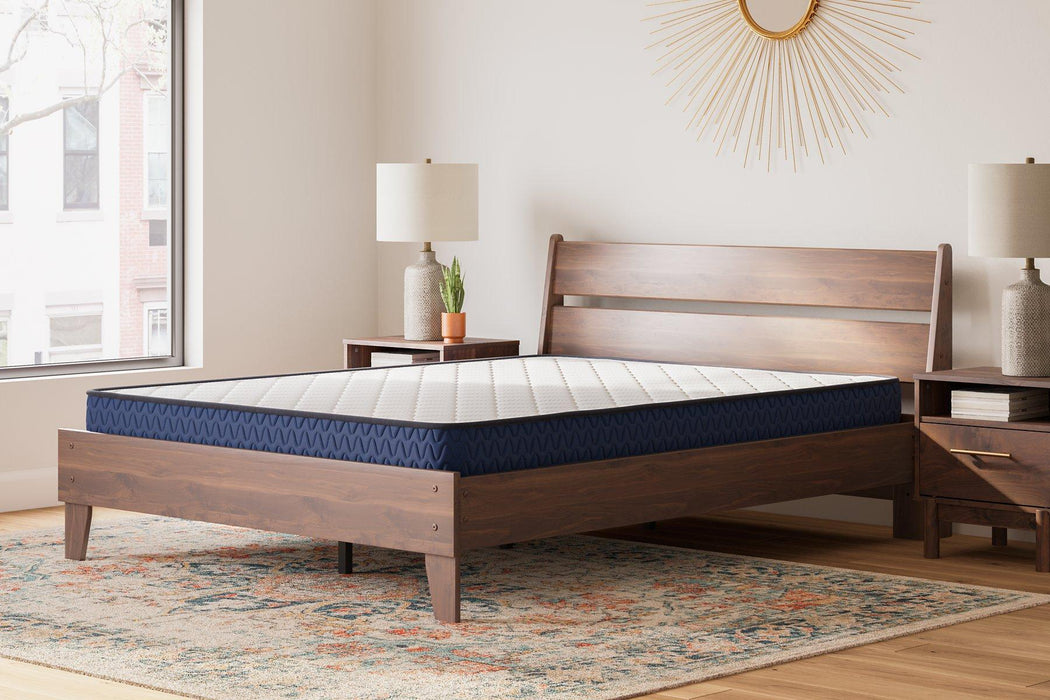
The belief that firmer mattresses are always better for back pain is a widespread misconception. While it’s true that a mattress can contribute to back pain, it’s essential to consider firmness and support as interconnected factors rather than assuming that firmer mattresses are inherently better. The ideal mattress for back pain relief varies greatly based on individual preferences, body weight, and specific health conditions. Comfort and proper alignment are equally important when it comes to finding the right mattress.
In reality, a mattress that is too firm can lead to discomfort and exacerbate back pain. It’s crucial to find a balance between firmness and comfort to ensure proper spinal alignment and overall sleep quality. Debunking the myth that firmer mattresses are always the best choice allows us to explore other factors that contribute to a good night’s sleep and effective back pain relief.
Understanding Firmness
Mattress firmness is categorized into different levels, which can vary significantly across brands. Classifications range from extra firm to ultra-plush, and the feel of a mattress is based on firmness, softness, and plushness, which are personal preferences. For instance, a medium firm mattress might feel different depending on the manufacturer, but generally, a medium firm mattress provides a balance that many find comfortable, offering a firm feel that suits various sleepers.
Understanding mattress firmness is crucial since there is no definitive answer to whether firm or soft mattresses are better for back pain. It depends on individual body type, support needs, and comfort preferences.
A universal rating system, such as a scale from 1 to 5 with 1 being the firmest, can help compare different mattress types. For example, the firmness levels for the WinkBed mattress range from:
-
Medium Soft (4)
-
To Firm Bed (7) while the Plank Firm Luxe offers:
-
Firm (7)
-
Extra Firm (9) options. The firmness level of each mattress can significantly impact comfort and support.
Individual Needs Vary
Personal comfort preferences play a crucial role in determining the ideal mattress firmness for back pain relief. The choice of a mattress should align with individual comfort levels to ensure proper support and alleviate pain. For instance, one person might find a medium-firm mattress perfect for their needs, while another might prefer a softer or firmer option based on their specific pain location and healthcare conditions.
Each person’s unique needs and circumstances should guide the selection of the optimal mattress for back pain relief. Considering personal preferences and specific health conditions helps individuals find a mattress that offers both comfort and support, thereby improving sleep quality and reducing back pain.
How Mattress Firmness Affects Spinal Alignment

Maintaining proper spinal alignment during sleep is crucial for preventing and alleviating back pain. Different firmness levels can significantly impact how well a mattress supports spinal alignment. While insufficient support for the spine can lead to increased pain and discomfort, proper pressure relief is essential for spinal health and can vary based on mattress firmness.
Choosing the right mattress involves balancing firmness and support to promote healthy spinal alignment. Understanding how different firmness levels affect spinal alignment helps individuals make informed mattress choices, improving sleep quality and reducing back pain.
The Importance of Spinal Alignment
Keeping the spine properly aligned during sleep is crucial for preventing and alleviating back pain. Improper spinal alignment during sleep can lead to increased pain and discomfort, highlighting the importance of choosing a mattress that promotes healthy spinal alignment. A medium-firm mattress is generally recommended for alleviating pain and enhancing comfort for individuals suffering from back pain.
Factors such as body shape and sleeping position significantly affect how well a mattress supports spinal alignment. Investing in high-quality mattresses can promote spinal alignment, provide optimal support and comfort, and last longer, making it a worthwhile investment for those seeking relief from back pain.
Firm vs. Medium Firm vs. Soft Mattresses
Different sleeping positions require different levels of firmness to maintain proper spinal alignment and comfort. For instance, back sleepers often prefer firmer mattresses to prevent their hips from sinking too low and causing lower back pressure. On the other hand, stomach sleepers typically favor firmer mattresses to maintain spinal alignment and prevent back strain, regardless of their preferred sleep position.
Medium-firm mattresses often provide a balance that favors spinal alignment and comfort, accommodating various sleeping positions, including those needing extra support and those preferring some cushioning. By understanding the effects of firm, medium-firm, and soft mattresses, individuals can choose the best mattress for their needs and improve their overall sleep quality.
Sleeping Positions and Mattress Firmness

Different sleeping positions greatly influence the choice of mattress firmness. Each position—side, back, and stomach—has specific needs to ensure proper spinal alignment and comfort. For example, side sleepers often require softer mattresses to alleviate discomfort at pressure points, while back sleepers benefit from medium-firm mattresses that support the natural curvature of the spine.
Understanding the specific needs of each sleeping position can help individuals choose a mattress that provides the right balance of support and comfort. This section will delve into the requirements of side sleepers, back sleepers, and stomach sleepers, offering insights into the best mattress choices for each position.
Side Sleepers
Side sleepers often require softer mattresses to alleviate discomfort at pressure points like the hips and shoulders. A softer mattress helps to relieve pressure on these areas, providing better overall support and comfort. For instance, the Helix Midnight Luxe is designed specifically for side sleepers, offering the necessary cushioning to prevent discomfort and promote a good night’s sleep.
Choosing a mattress that caters to their specific needs helps side sleepers achieve proper spinal alignment and reduce the risk of developing or worsening back pain. This ensures that they can sleep comfortably and wake up feeling refreshed and pain-free.
Back Sleepers
Back sleepers benefit from medium-firm mattresses that support the natural curve of the spine. Maintaining this natural curvature is crucial for preventing back pain and ensuring a good night’s sleep. A medium-loft pillow is also recommended for back sleepers to maintain proper neck alignment, further enhancing their comfort and support.
A medium-firm mattress ensures that back sleepers’ spines remain aligned throughout the night, reducing the risk of pain and discomfort. This balance of support and comfort is essential for achieving restorative rest and overall well-being.
Stomach Sleepers
Stomach sleepers often struggle with firm mattresses, causing lower back strain due to improper spinal alignment. If a stomach sleeper can only get comfortable stomach sleeping, it may indicate a need for a new mattress to avoid excessive sinking and maintain proper alignment. Using a soft, low-loft pillow or none at all can be beneficial for stomach sleepers to avoid excessive neck strain.
Softer mattresses can help stomach sleepers avoid lower back strain by providing the necessary cushioning and support to keep the spine aligned. Addressing these specific needs helps stomach sleepers achieve better sleep quality and reduces the risk of chronic back pain.
Body Weight and Mattress Comfort
The sensation of mattress firmness is closely tied to a person’s weight, affecting overall comfort levels. Individuals with varying body weights will perceive mattress firmness differently, impacting their comfort and support needs. For instance, heavier individuals often require more support to maintain comfort, as they may experience a firmer feel on various mattress firmness levels.
Different body types and sleeping positions significantly influence the selection of mattress firmness. Understanding how body weight affects mattress comfort helps individuals choose a mattress that balances support and cushioning, improving sleep quality and reducing back pain.
Lightweight Sleepers
Lighter individuals often find firm mattresses uncomfortable since they do not provide the necessary pressure relief. Individuals under 130 pounds typically benefit from a soft bed or softer mattress options because:
-
Softer mattresses conform better to the lighter frames of those under 130 pounds.
-
They provide better overall support.
-
They reduce the risk of developing discomfort and pain.
Choosing a mattress that caters to their specific needs helps lightweight sleepers achieve proper spinal alignment and experience more comfortable, restful sleep.
Average Weight Sleepers
Medium-firm mattresses are often the best choice for average weight sleepers, providing optimal support and comfort. Specifically:
-
Average weight sleepers are those weighing between 130 and 230 pounds.
-
Medium-firm mattresses offer a balanced combination of support and cushioning.
-
This makes medium-firm mattresses ideal for individuals within the 130-230 pounds weight range.
A medium-firm mattress ensures proper spinal alignment for average weight sleepers, reducing the risk of back pain and improving sleep quality and overall well-being with a memory foam mattress.
Heavier Sleepers
Heavier individuals often require firmer mattresses to ensure adequate support. For individuals above 230 pounds, a firm or extra firm mattress is recommended to prevent excessive sinking and maintain proper alignment. Sleeping on a too-soft mattress can lead to excessive sinking, resulting in inadequate back support and potential pain.
Overall, firmer mattresses are essential for heavier sleepers to maintain proper alignment and sturdy support, reducing the risk of developing chronic back pain and improving sleep quality.
Pressure Relief and Firmness Levels
Even weight distribution promotes back support and pressure relief, highlighting the importance of choosing the right mattress firmness. Pressure relief comes from the support and comfort layers in the mattress, and many sleepers find firm mattresses to be stiff and uncomfortable. A drawback of firm mattresses regarding pressure relief is minimal to no sinkage, which limits pressure relief.
Understanding how different firmness levels affect pressure relief helps individuals choose a mattress that provides both support and cushioning, improving sleep quality and reducing back pain.
Pressure Points
Common pressure points include the shoulders, hips, and lower back, which can be influenced by mattress firmness. Different firmness levels can either relieve pressure points or exacerbate discomfort in pressure points like hips and shoulders. For instance, too-firm mattresses can lead to excess pressure on hips and shoulders for side sleepers, while overly soft mattresses may result in hips sink too much pressure.
A mattress that is too firm may not provide enough cushioning at pressure points, leading to stiffness and discomfort. Choosing a mattress that addresses these pressure points helps individuals achieve better spinal alignment and overall comfort.
Balancing Support and Cushioning
When choosing a mattress for back pain, it is crucial to balance stability and pressure relief. A firmer mattress doesn’t fill the curves of the body well, impacting comfort particularly for side sleepers. It’s a misconception that only soft beds provide pressure relief; proper cushioning can be achieved with various firmness levels.
Finding the right balance between zoned support and cushioning is essential for relieving pain without compromising spinal alignment. Understanding how different firmness levels can achieve this balance helps individuals choose a mattress that offers both support and comfort, improving sleep quality and reducing back pain.
Choosing the Right Mattress for Your Back

Choosing the right mattress is vital as it influences sleep quality and spinal support. Testing various mattress types is crucial for finding the right fit for back pain relief. A well-selected mattress can significantly enhance sleep quality for individuals experiencing back pain by supporting the spine while providing enough cushioning to relieve pressure.
This section will provide practical steps for choosing the right mattress, including testing before buying, considering personal preferences, and looking for quality materials.
Test Before You Buy
Testing mattresses in a showroom is crucial to finding the right one for your back pain. Visiting a showroom allows you to feel how different mattresses provide ample support for your body and determine your preferred mattress firmness through tests like the Rest Match test.
Utilizing a trial period offered by mattress companies can confirm if the mattress feels comfortable for prolonged use. Testing mattresses in-store and utilizing trial periods ensures individuals choose a mattress that provides the necessary support and comfort for their specific needs.
Consider Personal Preferences
Choosing a mattress should prioritize personal comfort, as it varies significantly from person to person. Factors such as spinal alignment, support, and overall comfort can differ based on individual preferences. The choice of firmness (firm, medium, soft) should align with personal comfort to promote better sleep quality.
Different sleeping positions—back, side, and stomach—require different levels of firmness to optimize comfort and support. Body weight also influences the perception of mattress firmness and support; lighter individuals often require different solutions than heavier ones.
Considering personal preferences and testing different options in-store helps individuals find the right mattress for their needs.
Look for Quality Materials
The comfort of sleep, especially for those with back pain, can significantly be influenced by the type of mattress chosen. Investing in durable materials can enhance mattress longevity and provide consistent support layer. Commonly used materials for mattress support include:
-
Memory foam mattresses
-
Poly-foam
-
Coils
-
A combination of these materials. Foam layers made from high-quality materials affect overall sleep quality and can alleviate back pain.
Investing in quality materials ensures that a good mattress provides the necessary support and comfort for quality sleep and restful, pain-free sleep.
Additional Tips for Managing Back Pain
In addition to choosing the right mattress, there are other strategies for managing back pain:
-
Incorporating regular stretching can improve flexibility and reduce back pain.
-
Oral anti-inflammatory medications can aid in pain management.
-
Establishing a consistent sleep schedule can enhance overall sleep quality, impacting back pain.
Better sleep helps alleviate back pain, making it essential to consider these additional tips alongside choosing the right mattress for a good night’s sleep.
Use Pillows Strategically
Using the right pillows can help maintain proper alignment of the spine and reduce strain on the back. Here are some considerations:
-
Side sleepers may benefit from a thicker pillow to keep the neck aligned with the spine.
-
Back sleepers might require a flatter pillow.
-
Pillows can help alleviate pressure points by providing support where it’s needed, reducing discomfort during sleep.
Choosing a pillow based on material and loft can enhance comfort and support for better spinal alignment, ultimately improving sleep quality and reducing back pain.
Maintain Good Posture
Maintaining good posture throughout the day is essential for overall spinal health and can prevent exacerbation of back pain. Key factors include:
-
A supportive mattress provides the foundation for good posture during sleep.
-
Mindful posture should be maintained during waking hours.
-
Regular exercise helps strengthen back muscles, supporting better posture and reducing the risk of back pain during daily activities.
By focusing on maintaining good posture, individuals can protect their spine and reduce the risk of developing or worsening back pain and poor posture.
Regular Exercise
Engaging in proper lifting techniques can prevent back injuries during physical activities. Regular exercise is essential for managing back pain and improves overall physical health. Strengthening back muscles through regular exercise can provide support for the spine and reduce pain, while also helping to alleviate aching muscles. Incorporating regular exercise into your routine can lead to long-term pain relief and better back health.
Regular exercise improves overall health and reduces the risk of developing lower back pain and chronic back pain, helping to relieve pain.
Shop At Dave's Home Furnishing Today!
Finding the right mattress is one of the most important steps toward relieving back pain and improving your overall sleep quality. At Dave’s Home Furnishing, we understand that everyone’s comfort needs are unique. That’s why we offer a wide range of mattresses designed to provide proper spinal alignment, balanced support, and long-lasting comfort for every type of sleeper. Whether you prefer plush, firm, or hybrid styles, we have options that cater to your body’s specific needs.
Our knowledgeable and friendly staff are always ready to assist you in finding the perfect mattress. We take the time to understand your preferences, lifestyle, and sleep patterns so we can match you with the best solution for a restful night’s sleep. You’ll feel the difference the moment you lie down—support that eases pressure points, promotes better posture, and helps you wake up refreshed every morning.
Don’t wait any longer to give your body the rest it deserves. Visit Dave’s Home Furnishing today and explore our exceptional mattress collection. Take the first step toward a pain-free, restorative, and truly comfortable sleep experience you’ll look forward to every night.
Summary
Choosing the right mattress for back pain relief involves considering various factors such as individual preferences, body weight, and sleeping positions. It’s essential to debunk the myth that firmer mattresses are always better and recognize that a well-balanced mattress can significantly improve sleep quality and reduce back pain. By understanding how mattress firmness affects spinal alignment and pressure relief, individuals can make informed decisions about their mattress choice.
In addition to selecting the right mattress, incorporating strategies such as using pillows strategically, maintaining good posture, and engaging in regular exercise can further alleviate back pain and enhance overall well-being. By taking these steps, individuals can achieve a restful and pain-free sleep experience, ultimately improving their quality of life.
Frequently Asked Questions
Are firm mattresses always better for back pain?
Firm mattresses are not universally better for back pain; the best choice depends on personal preferences, body weight, and sleep positions. It's essential to find a mattress that provides the right support and comfort for your unique needs.
What is the best mattress firmness for side sleepers?
The best mattress firmness for side sleepers is typically softer, as it helps relieve pressure on the hips and shoulders while providing necessary support and comfort. A medium-soft to medium firmness level is often recommended.
How does body weight affect mattress firmness perception?
Body weight directly influences mattress firmness perception, as heavier individuals often need firmer mattresses for proper support, whereas lighter individuals typically prefer softer options for comfort. Therefore, choosing the right mattress firmness is crucial based on your body weight for optimal sleep quality.
Why is spinal alignment important during sleep?
Maintaining proper spinal alignment during sleep is essential for preventing back pain and ensuring comfort. It keeps the spine in a neutral position, which helps avoid discomfort and promotes overall well-being.
What additional strategies can help manage back pain besides choosing the right mattress?
In addition to selecting the right mattress, managing back pain can be effectively supported by using pillows strategically, maintaining good posture, engaging in regular exercise, and establishing a consistent sleep schedule. Implementing these strategies can significantly enhance your comfort and well-being.