
Why Ignoring Outdoor Furniture Maintenance Costs You More Later
A $20 rust prevention treatment today can save you $500 in furniture replacement costs next year. Yet many homeowners and business owners ignore this simple math, choosing to defer outdoor furniture maintenance until minor issues become major expenses. This false economy of deferred maintenance creates a cascading effect where small, manageable problems exponentially increase into costly repairs or complete replacements.
Your outdoor space represents a significant investment, whether it’s a residential patio or a commercial outdoor dining area. However, without proper maintenance, even the highest quality furniture made from durable materials will succumb to weather elements, ultimately costing you far more than the minimal expense of regular upkeep. Understanding why ignoring outdoor furniture maintenance costs you more later isn’t just about preserving aesthetics—it’s about protecting your financial investment and avoiding the shock of premature replacement expenses.
The Hidden Cost of Neglect: Why Maintenance Matters
The mathematics of maintenance versus replacement reveals a stark reality: ignoring regular upkeep can increase your total furniture costs by 300-500% compared to preventive care. This dramatic cost difference stems from the exponential nature of deterioration when outdoor patio furniture remains constantly exposed to harsh weather conditions without protective intervention.
Consider this common scenario: a loose screw on your metal furniture that could be tightened for free during regular inspections. Left unaddressed, this minor issue creates wobbling that stresses joints, accelerates wear and tear, and eventually leads to structural damage requiring complete replacement. What started as a $5 DIY fix becomes a $500-2000 furniture replacement within 6-12 months.
Weather damage follows a similar exponential pattern. Small rust spots that could be treated with minimal maintenance using a wire brush and protective coatings become complete corrosion that compromises the entire piece. The difference between addressing surface rust immediately versus waiting until it spreads can mean the difference between a $20 repair and an $800 replacement.
Commercial businesses face additional hidden costs beyond the furniture itself. Poor outdoor furniture conditions directly impact customer impressions, with studies showing customers spend 23% less time at establishments where outdoor seating appears neglected. This translates to measurable revenue loss that far exceeds any maintenance investment. Additionally, safety liability from damaged furniture can result in lawsuits costing $10,000-100,000+, making regular inspections and maintenance not just financially prudent but legally essential.
Common Neglect Issues and Their Escalating Costs
Understanding specific neglect scenarios helps illustrate why immediate intervention saves money compared to reactive replacement. Each type of damage follows predictable patterns that, once recognized, can be prevented at a fraction of replacement costs.
The timeline of deterioration varies by material and environmental exposure, but the economic principle remains consistent: early intervention costs pennies compared to delayed response expenses. Whether dealing with wooden furniture, metal surfaces, or fabric components, the same mathematical relationship applies—small investments in prevention yield exponential savings in replacement avoidance.
Rust and Corrosion: The $50 Problem That Becomes $500
Metal furniture, particularly wrought iron and non-stainless steel pieces, demonstrates the clearest example of exponential cost escalation. Early rust treatment requires only basic supplies: rust remover, a soft brush or wire brush, and touch-up paint, totaling $20-50 in materials and minimal time investment.
However, ignored rust creates a domino effect. Surface oxidation penetrates deeper into metal surfaces, weakening structural integrity and spreading to adjacent areas. Within 6-12 months of neglect, what began as minor surface spots becomes extensive corrosion requiring professional welding repairs costing $200-400, assuming the damage hasn’t progressed beyond repair.
Complete corrosion necessitates full furniture replacement, with quality metal outdoor furniture ranging from $500 to $2000 per piece. Research indicates that metal frame furniture loses 70% of its potential lifespan without annual rust prevention, transforming a 15-year investment into a 3-5 year expense cycle.
The prevention strategy is straightforward: regular inspections to identify rust early, immediate treatment with appropriate rust removers, application of protective coatings, and use of waterproof covers during inclement weather. This annual investment of $50-80 in materials and a few hours of labor preserves thousands of dollars in furniture value.
Wood Rot and Moisture Damage: From $30 Stain to $800 Replacement
Wooden furniture, especially pieces that aren’t made from naturally weather-resistant woods like teak, requires consistent moisture protection to prevent catastrophic damage. Annual wood sealing and staining costs between $30 and $60 in materials, but creates a barrier that prevents moisture absorption, the primary cause of wood deterioration.
Without this protection, wood absorbs water during rain and high humidity, leading to swelling, warping, and eventual rot. The process accelerates in climates with frequent temperature fluctuations, where freeze-thaw cycles create cracks that allow deeper moisture penetration. Within 2-3 years, untreated wooden furniture develops extensive rot, warping that affects functionality, and insect damage as weakened wood becomes susceptible to pest infestations.
Professional wood restoration services charge $150-300 per piece for extensive damage repair, involving sanding, filling, re-staining, and sealing. However, severely damaged pieces often require complete replacement at $400-800+ per item, particularly for high-quality furniture made from premium materials.
The contrast is striking: $30 annually in preventive treatment versus $400-800 in replacement costs every 2-3 years. For a typical wooden patio set including a table and four chairs, this difference amounts to $150 in annual maintenance versus $2000-4000 in premature replacement costs.
Fabric and Cushion Deterioration: The Snowball Effect
Outdoor cushions and fabric elements represent perhaps the most dramatic example of how small preventive investments prevent major replacement expenses. Quality waterproof covers cost $20-40 per furniture set but provide comprehensive protection against UV rays, moisture, and debris accumulation.
Without covers, cushions experience rapid deterioration. UV protection becomes critical as prolonged exposure to sunlight causes fading, fabric weakening, and eventual cracking. Moisture accumulation leads to mold and mildew growth, creating health concerns and permanent staining. The combination of UV damage and moisture creates a deterioration timeline where uncovered cushions require replacement every 1-2 years at $100-200 per set.
The snowball effect occurs when mold damage spreads beyond cushions to furniture frames. Mold spores and moisture trapped against wooden or metal surfaces accelerate corrosion and rot, increasing total replacement costs beyond just the cushions. Regular cleaning with a mild soap solution and proper storage of cushions during harsh weather conditions prevent this cascade of damage.
Well-maintained cushions with proper UV protection and storage last 5-7 years compared to 1-2 years without care. For a typical outdoor setting with multiple seating areas, this extends cushion life by 300-400%, representing substantial savings over time.
Material-Specific Maintenance Costs vs Replacement Expenses
Each type of outdoor furniture material requires distinct maintenance approaches, but all follow the same economic principle: regular small investments prevent large replacement costs. Understanding material-specific requirements helps create targeted maintenance strategies that maximize cost-effectiveness.
The key insight is that different materials fail through different mechanisms, but preventive maintenance addresses these failure modes before they become expensive problems. Whether dealing with aluminum oxidation, teak oil depletion, or wicker brittleness, early intervention costs significantly less than replacement.
Aluminum and Metal Furniture Economics
Aluminum outdoor furniture represents one of the most cost-effective long-term investments when properly maintained. Annual maintenance costs $40-80 for cleaning solutions, rust prevention products, and protective coatings. This minimal investment supports a service life of 15-20 years, creating an annual cost of $30-50 when including the original purchase price.
Neglected metal furniture follows a different economic trajectory. Without protective treatments, aluminum oxidizes, joints loosen from temperature cycling, and fasteners corrode. This deterioration pattern typically requires replacement every 3-5 years, creating an annual cost of $200-400 when factoring in replacement furniture prices.
Powder coating restoration offers a middle-ground option for moderately damaged pieces. Professional powder coating costs $150-250 per piece but can restore appearance and provide protection for another decade. However, this option only works when structural integrity remains intact—severely corroded pieces cannot be economically restored.
The mathematics clearly favor maintenance: $50 annually for upkeep versus $300+ annually for frequent replacement. Over a 15-year period, maintaining aluminum furniture costs approximately $750 total versus $4500+ for repeatedly replacing neglected pieces.
Teak and Hardwood Investment Protection
Premium teak outdoor furniture represents a significant upfront investment, with quality pieces costing $1000-3000 initially. However, this investment pays dividends when properly maintained, as teak naturally resists moisture and insects while developing an attractive patina over time.
Annual teak maintenance involves oiling and deep cleaning, costing $50-100 in materials and time. This treatment prevents the wood from drying and cracking while maintaining its natural weather resistance. The timeless style and durability of well-maintained teak mean quality pieces can last 20-30 years or longer.
Neglected teak follows a different path. Without regular oiling, the wood develops permanent staining from dirt and debris accumulation. Surface cracking allows moisture penetration, leading to warping and eventual rot in joints and connection points. Professional restoration for severely neglected teak costs $300-600 per piece, assuming damage hasn’t progressed beyond repair.
The investment protection perspective becomes clear: a $2000 teak dining set maintained annually for $75 provides decades of service at a total cost under $4000. The same set, neglected and requiring replacement every 10 years, costs $6000+ over 30 years, not including restoration attempts or the inconvenience of repeated replacement shopping.
Wicker and Rattan Preservation
Wicker furniture, whether natural rattan or synthetic materials, requires specific maintenance to prevent brittleness and structural failure. Regular conditioning costs $25-40 annually but prevents the cracking and breaking that render wicker furniture unusable.
Synthetic wicker maintains its appearance and structural integrity for 8-12 years with basic care, including regular cleaning, protective covers, and UV protection. Natural wicker requires more intensive maintenance, including humidity control and careful protection from extreme weather conditions, but can last decades when properly cared for.
Neglected wicker deteriorates quickly. Natural materials become brittle and crack within 2-3 years without proper conditioning. Synthetic wicker fades and weakens under constant UV exposure, developing rough edges that can injure users and ultimately require replacement.
Re-weaving services offer repair options for damaged wicker, costing $100-300 per piece, depending on the extent of damage. However, complete replacement runs $400-800 for quality pieces, making maintenance the clear economic choice. The difference between $30 annual conditioning and $400 replacement every 2-3 years illustrates the dramatic cost impact of maintenance choices.
The Business Impact: When Poor Maintenance Affects Your Bottom Line
Commercial establishments face amplified consequences from poor outdoor furniture maintenance, as the costs extend beyond replacement expenses into revenue loss and liability exposure. Understanding these broader impacts helps business owners recognize why outdoor furniture maintenance isn’t just about preserving equipment—it’s about protecting profitability.
Customer behavior research reveals direct correlations between outdoor furniture condition and spending patterns. Establishments with well-maintained outdoor spaces see increased customer dwell time, higher per-visit spending, and improved customer satisfaction scores. Conversely, poorly maintained outdoor areas create negative first impressions that impact the entire customer experience.
Customer Experience and Revenue Loss
The financial impact of neglected outdoor furniture extends far beyond replacement costs for commercial establishments. Research indicates customers spend 23% less time at businesses where outdoor furniture appears worn, damaged, or poorly maintained. For restaurants, this translates to measurable revenue loss as shorter customer visits reduce order sizes and turnover rates.
Restaurants with outdoor seating lose an average of $15-25 per table when outdoor furniture shows visible wear and damage. Over a busy season, this impact compounds significantly. A restaurant with 20 outdoor tables experiencing reduced customer satisfaction due to furniture condition can lose $300-500 per day during peak periods, totaling $50,000+ in lost revenue annually.
Hotel properties demonstrate even more dramatic impacts. Guest rating systems consistently show lower scores for properties with poor outdoor furniture maintenance. Hotels with neglected outdoor spaces rate 1.2 stars lower on average, directly impacting booking rates and room pricing power. The revenue impact from reduced bookings and lower room rates can reach $100,000+ annually for mid-sized properties.
Maintenance costs represent 5-10% of original furniture value annually, while the revenue impact from poor outdoor conditions can reach 40-60% of the affected area’s profit contribution. This dramatic difference makes outdoor furniture maintenance one of the highest-return investments a business can make.
Safety and Liability Considerations
Beyond customer experience impacts, poorly maintained outdoor furniture creates significant safety and liability exposures for businesses. Structural damage from neglected maintenance can result in customer injuries that lead to expensive lawsuits and insurance claims.
Injured customers from broken outdoor furniture have resulted in settlements and judgments ranging from $10,000 to $100,000,+ depending on injury severity. These costs dwarf any maintenance investment, making regular safety inspections and preventive repairs essential risk management practices.
Insurance companies increasingly scrutinize maintenance practices when evaluating claims and setting premiums. Documentation of inadequate maintenance can void coverage or significantly increase policy costs. Conversely, documented regular maintenance programs often qualify for insurance discounts that partially offset maintenance costs.
OSHA regulations apply to commercial outdoor furniture in many jurisdictions, with violations resulting in fines of $1,000-15,000. Regular inspections cost $200-500 annually but prevent regulatory violations and demonstrate due diligence in safety management.
The liability mathematics strongly favor maintenance: $500 annual inspection and maintenance costs versus potential lawsuit settlements of $50,000+. Risk management alone justifies comprehensive outdoor furniture maintenance programs for any business with customer-facing outdoor spaces.
Creating a Cost-Effective Maintenance Schedule
Developing a systematic maintenance approach maximizes cost-effectiveness while ensuring comprehensive protection. The key is creating schedules that address different maintenance needs at optimal intervals, balancing thoroughness with efficiency.
Effective maintenance scheduling considers seasonal variations in weather stress, usage patterns, and material-specific requirements. This strategic approach prevents maintenance efforts from being wasted on unnecessary frequency while ensuring critical interventions happen at optimal times.
Monthly and Seasonal Maintenance Budgets
A well-structured maintenance schedule spreads costs throughout the year while ensuring maximum protection. Monthly cleaning supplies for an average patio furniture set cost $15-30, including specialized cleaners for different materials, protective sprays, and basic maintenance tools.
Seasonal deep cleaning and protective treatments represent larger investments but provide comprehensive protection during critical periods. Spring preparation typically costs $75-150 per furniture group and includes thorough cleaning, hardware inspection and tightening, protective coating application, and fabric protection treatments.
Fall preparation focuses on winterization and protection from harsh weather conditions. Storage solutions, protective covers, and weatherproofing treatments cost $200-400 but prevent freeze-thaw damage, moisture accumulation, and UV degradation during off-seasons.
Annual professional inspection and minor repairs cost $100-250 per furniture set, but identify problems before they become expensive failures. This professional assessment often reveals issues that untrained homeowners miss, preventing the $1000+ replacement costs that result from undetected problems.
Storm preparation represents a critical but often overlooked maintenance component. Securing furniture indoors or under protective covers prevents wind damage, flying debris impacts, and water accumulation that can destroy furniture in a single severe weather event. The $50-100 cost of storm preparation materials and protocols prevents thousands in replacement costs from weather damage.
Professional vs DIY Maintenance Cost Analysis
Choosing between professional maintenance services and DIY approaches requires understanding both cost and effectiveness differences. Professional maintenance services typically cost $150-300 annually per furniture set, but provide comprehensive service, including warranties and guaranteed results.
DIY maintenance requires $75-125 in supplies and 10-15 hours of labor annually per furniture set. The cost savings can be substantial, but effectiveness depends on the homeowner's knowledge and consistency in following proper procedures. Many homeowners underestimate the time commitment and gradually reduce maintenance frequency, ultimately negating cost savings through accelerated furniture deterioration.
Professional services often include warranties that guarantee maintenance effectiveness and may cover damage from maintenance failures. These warranties can be valuable for expensive furniture where mistakes could result in costly damage. Additionally, professionals typically have access to commercial-grade protective products not available to consumers.
DIY mistakes can void manufacturer warranties and increase long-term costs. Improper cleaning products, inadequate surface preparation, or incorrect application of protective treatments can actually accelerate deterioration. The potential for costly mistakes must be weighed against DIY cost savings, particularly for high-value furniture.
The optimal approach often combines professional deep cleaning and inspection annually with regular DIY maintenance throughout the year. This hybrid strategy provides professional expertise for complex procedures while maintaining cost-effectiveness for routine care.
When Repair Makes Sense vs When to Replace
Making economically rational decisions about repair versus replacement requires systematic evaluation of multiple factors beyond simple cost comparison. Understanding when repairs represent good investments versus when replacement becomes more cost-effective prevents throwing money away on futile restoration efforts.
The decision framework must consider not just immediate costs but lifecycle economics, including ongoing maintenance needs, warranty coverage, and expected service life of repaired versus new furniture. This comprehensive approach ensures decisions optimize long-term value rather than just minimizing immediate expenses.
The 50% Rule: When Repairs Exceed Half the Replacement Cost
Industry standards suggest that repairs costing more than 50% of replacement value typically indicate replacement is the more economical choice. This threshold accounts for the reality that expensive repairs often address only the most obvious problems while underlying deterioration continues.
Furniture over 8-10 years old often has multiple hidden issues that become apparent only after initial repairs are completed. What begins as a specific repair project can escalate into a comprehensive restoration when additional problems are discovered during the repair process. The 50% threshold provides a buffer against these cost overruns.
Consider total lifecycle costs when evaluating repairs. Repaired furniture often requires more frequent future maintenance and has shorter remaining service life compared to new replacement pieces. A $300 repair on furniture worth $600 new might seem economical, but if the repaired piece requires an additional $200 in maintenance over the next two years, while new furniture would need minimal maintenance, replacement becomes the better choice.
Factor in warranty coverage and technology improvements when comparing repair and replacement options. New outdoor furniture often includes improved materials, better weather resistance, and manufacturer warranties that older pieces lack, even after professional restoration.
Quality Assessment for Repair Decisions.
High-quality furniture justifies higher repair costs due to superior materials and construction. Premium teak, commercial-grade aluminum, and professional-grade synthetic materials can often be economically restored even when repair costs approach replacement thresholds.
Mass-market furniture under $300 per piece rarely justifies professional repairs. The construction quality and materials typically don’t support expensive restoration efforts, and the availability of comparable replacement pieces at reasonable prices makes repair economically irrational.
Antique or custom pieces may warrant restoration costs exceeding replacement value due to their irreplaceable nature. However, these decisions should consider aesthetic and sentimental value rather than purely economic factors. When dealing with standard outdoor furniture, economic analysis should drive repair versus replacement decisions.
Consider the availability of replacement parts and compatible repair materials. Some furniture designs or discontinued product lines cannot be properly repaired due to the unavailability of parts. This factor can make replacement the only viable option regardless of economic considerations.
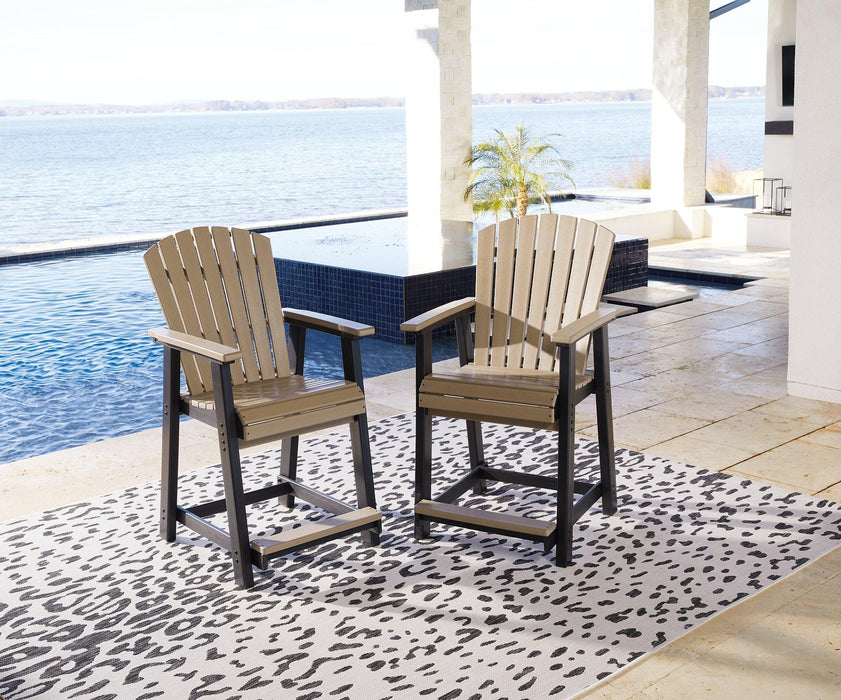
The structural integrity assessment requires professional evaluation for safe repair decisions. Furniture with compromised frames, corroded fasteners, or weakened joints may appear repairable but could fail unexpectedly, creating safety hazards that outweigh any cost savings from repair attempts.
Protect Your Outdoor Furniture and Your Wallet – Shop at Dave’s Home Furnishings Today
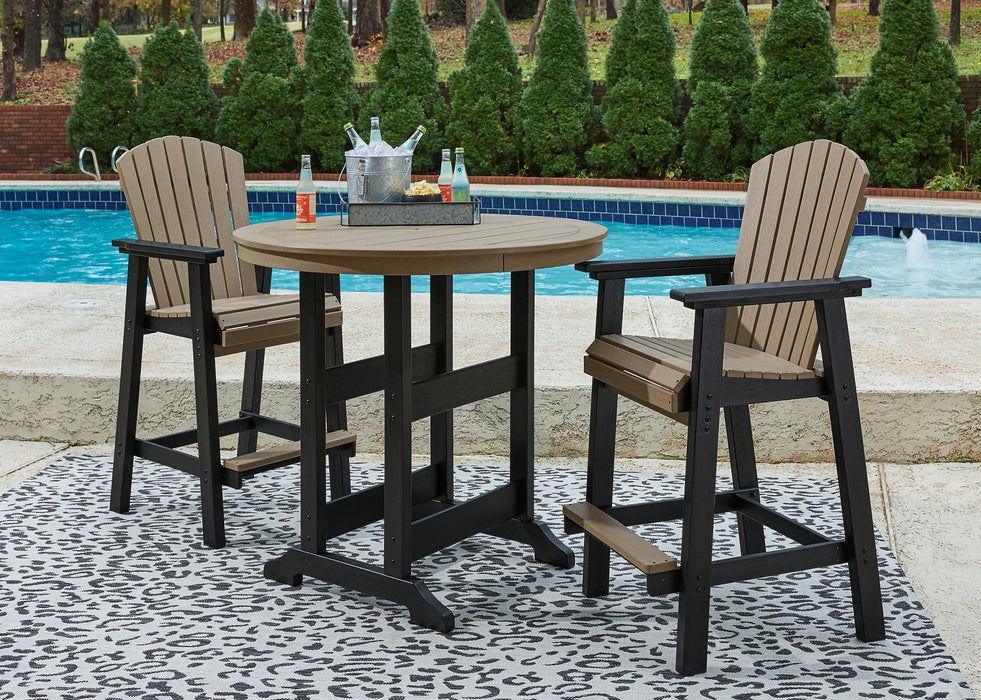
Neglecting outdoor furniture maintenance might seem like a small issue, but over time, it can lead to costly repairs and replacements. At Dave’s Home Furnishings, we understand how important it is to choose durable pieces that can withstand the elements while still looking great. Our high-quality outdoor furniture is designed to save you money and headaches in the long run.
We know that maintaining outdoor furniture takes effort, but our selection focuses on low-maintenance options that are both stylish and long-lasting. By investing in our pieces, you’re not just buying furniture, you’re making a smart choice that protects your yard and your budget. Our team is here to help you find the perfect fit for your outdoor space.
Don’t wait until your furniture shows signs of wear and tear. Shop with us at Dave’s Home Furnishings today and enjoy the confidence that comes with choosing reliable, beautiful outdoor pieces. Our collection is ready to enhance your space while keeping future maintenance costs low.
Conclusion
The economics of outdoor furniture maintenance present a clear choice: invest modestly in prevention or pay dramatically more in replacement costs. The data consistently shows that ignoring regular maintenance transforms affordable upkeep into expensive furniture replacement cycles that cost 300-500% more over time.
Whether you’re managing a single patio set or multiple commercial outdoor spaces, the mathematical relationship remains constant. A few hundred dollars annually in maintenance preserves thousands of dollars in furniture value while extending service life significantly beyond manufacturer expectations. The 30% lifespan extension achievable through proper maintenance alone justifies the modest investment required for regular care.
The key insight is recognizing that outdoor furniture maintenance isn’t an expense—it’s an investment that pays measurable returns through avoided replacement costs, preserved functionality, and maintained aesthetic appeal. For commercial establishments, these benefits extend into revenue protection and liability reduction that multiply the economic advantages.
Start by assessing your existing furniture condition and creating a maintenance schedule appropriate for your climate and usage patterns. Whether you choose professional services or DIY approaches, the critical factor is consistency in following proper maintenance protocols before minor issues become major expenses.
Remember: every month you defer maintenance, you’re not saving money, you’re accumulating hidden costs that will demand payment later at much higher rates. The choice is simple: pay a little now through regular maintenance, or pay significantly more later through premature replacement.