
Sectional or Sofa: Find the Perfect Fit for Your Space
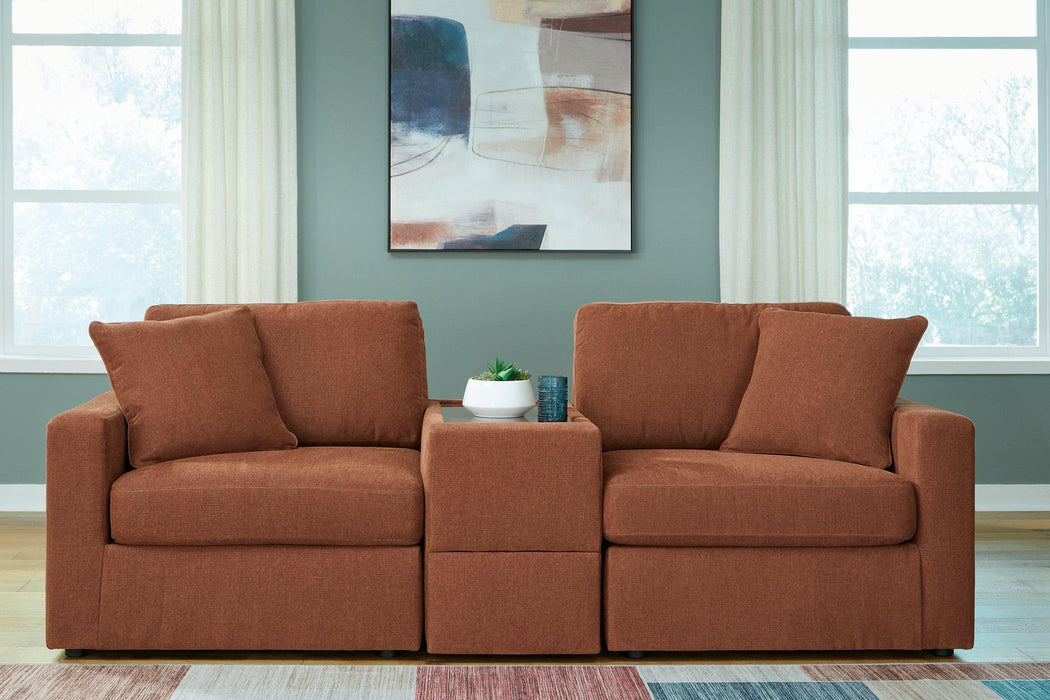
Wondering if a sectional or sofa is better for you? This article explores the key differences and helps you choose based on your space, needs, and lifestyle in the debate of sectionals vs sofas what’s right for you.
Key Takeaways
-
Consider your living space and seating needs when choosing between a sectional and a sofa, as space and flexibility play crucial roles.
-
Sectionals are great for large family gatherings, while sofas offer versatility and ease of layout changes, making them ideal for smaller spaces.
-
Comfort, durability, and budget are key factors in your decision; evaluate the initial costs and long-term value of each option.
Seating Needs and Space Considerations

Before committing to that sleek sectional or charming sofa, evaluate your living space and seating needs. First things first, many buyers rush into choosing sectionals without fully considering their living space and future needs.
When choosing between sectionals and sofas for your living room, consider the space you have available. Here are some key factors to help you decide.
How Much Space Do You Have?
Start by measuring your living space. In a small room, an oversized sectional can feel cramped and limit movement. Larger rooms, however, might benefit from two substantial sofas, offering an open feel and more arrangement options.
Sofas are easier to rearrange, ideal for spaces needing frequent layout changes. This flexibility is useful if you enjoy refreshing your living space periodically or if you’re renting and might move soon.
Seating Capacity
Consider your regular seating needs. A sectional can accommodate larger groups, making it perfect for family rooms or gatherings. Alternatively, two sofas with accent chairs provide maximum flexibility for an open concept space.
For smaller spaces, a loveseat with two chairs can create a cozy, functional seating area. Other configurations include:
-
U-shaped sectionals
-
L-shaped sectionals
-
Combinations of sofas and loveseats These options can help maintain comfortable flow while meeting seating needs.
Walking Space and Flow
An open, easy-to-navigate small space is key. In smaller rooms, sectionals can limit pathways and hinder traffic flow. U shaped sectional, in particular, can be visually stifling and make accessing side tables more challenging.
Using two sofas can enhance movement and accessibility, making it easier to reach the coffee table and side tables, thus improving the room’s functionality and flow.
Factor in the walking space needed for comfort when planning your seating area.
Style and Aesthetic Preferences

Personal style significantly influences the choice between a sectional and a sofa. Sectionals can make or break a room’s aesthetic. Whether modern or traditional, your furniture choice will impact the room’s overall vibe.
Let’s delve into how different styles and design preferences come into shape.
Modern vs Traditional
Modern sectionals feature clean lines and minimalist designs, fitting well with contemporary aesthetics. They often come in neutral colors and sleek shapes, blending seamlessly into modern decor. Traditional sofas, with their ornate details and plush fabrics, reflect timeless elegance.
If you prefer a traditional sofa style, a classic sofa with an ottoman creates a cozy yet sophisticated atmosphere, ideal for a formal living room with a couch.
Whether modern or traditional, choose furniture that complements your existing decor and enhances the room’s ambiance.
Focal Point Creation
Sectionals can become the focal point in a living room, drawing attention and anchoring the space. Their size and presence often make them the central feature, influencing the room’s design and layout. To balance a sectional’s size, use vertical decor elements like tall plants or artwork.
A sofa set and accent chair combination maintains design flow and allows easy access to side tables. This setup offers a dynamic and versatile focal point that can be adjusted for different occasions and moods.
Versatility in Design
Sectionals offer versatility, allowing customization of living spaces. Their features include:
-
They can be rearranged into different configurations.
-
They adapt to various room layouts.
-
This flexibility is useful if you frequently change your room’s layout.
-
They are beneficial if your space serves multiple functions.
Modern sectionals often feature modular designs tailored to fit specific needs. Whether you need a cozy lounging corner or a spacious seating area for entertaining guests, sectionals adapt to changing lifestyles and decor preferences.
Functionality and Use Cases

Your choice between a sectional and a sofa should align with household dynamics and routines. Consider how you use your space—whether for family relaxation, social gatherings, or a mix of both.
Let’s explore some common use cases to help you decide.
Family Room Usage
Sectionals are ideal for larger family rooms, offering ample seating for movie nights and gatherings. Their configurations accommodate larger groups, making them perfect for families. L-shaped sectional, for instance, create a cozy corner for TV watching and lounging.
For smaller gatherings or intimate settings, traditional sofas offer flexibility in a small living room. They can be complemented with chairs or loveseats to suit different needs.
Seating capacity is crucial when choosing furniture for family rooms, and a better choice can enhance your family’s overall experience, regardless of your seat choice.
Hosting and Gatherings
A sectional fosters intimacy, encouraging guests to sit closer and making conversations more engaging during gatherings, thanks to its square sectional fit, positioned perfectly in the middle to stand for comfort during the big game with friends, which makes more sense and was created for this function. The position of the sectional sitting lay enhances the overall experience, allowing everyone to relax.
Using two sofas provides easy access to side tables, convenient for drinks and snacks. A great option for versatile seating can make a big difference for frequent hosts.
The right furniture arrangement enhances the experience for you and your guests, making your home the go-to spot for gatherings.
Additional Features
Sectionals often include built-in storage compartments, which:
-
Reduce clutter
-
Enhance functionality
-
Are great for homes where storage is limited
-
Provide hidden compartments for blankets, pillows, or remote controls.
Sofas and sectionals can also feature reclining seats or pull-out sleeper beds, adding versatility and functionality. These features are useful in multifunctional living spaces where furniture serves multiple purposes.
Comfort and Durability

Comfort and durability are crucial when choosing between a sectional and a sofa. A sectional’s design often provides more lounging space than traditional sofas.
Let’s dive into the specifics of cushion comfort, material quality, and maintenance.
Cushion Comfort
Cushion firmness in sectionals varies, affecting comfort and support:
-
Firmer cushions offer better support.
-
Softer options may feel less comfortable over time.
-
Sectionals typically offer various cushion options, including memory foam and fiberfill, enhancing comfort.
Cushion comfort is vital for a pleasant seating experience. The right three cushions, whether on a chaise or an accent chair, enhances enjoyment of your furniture.
Material Quality
Comfort in sectionals or sofas is largely influenced by construction quality and materials. Higher-quality materials offer greater resistance to wear and tear. Durable, easy-to-clean fabrics are crucial for homes with pets and children.
Materials like leather, fabric, and microfiber affect the comfort and durability of sectionals. Investing in high-quality materials ensures furniture that stands the test of time, offering comfort and longevity.
Maintenance and Care
Regular cleaning and proper care extend the lifespan of sectionals and sofas. Vacuuming and prompt spill treatment maintain a sectional sofa’s appearance and lifespan, ensuring your furniture looks and feels its best over the years.
Caring for your furniture pays off in the long run, keeping your investment comfortable and attractive for years.
Budget and Investment
Sectionals generally have higher upfront costs compared to traditional sofas, but the initial cost is just one part of the equation.
Let’s explore the financial aspects in more detail.
Initial Costs
Sectionals often have higher initial costs due to their larger size and additional components. Purchasing a sectional may also require expenses for accessories like ottomans. Determining your budget should be one of the first steps before deciding.
Although the upfront cost is higher, sectionals may offer features that justify the investment. Weigh these factors to determine the best option for your living space.
Long-Term Value
Sectionals may not hold long-term value as strongly as traditional sofas due to size and adaptability. They may depreciate faster, affecting resale value. Consider potential resale value along with initial costs when deciding.
Understanding long-term value helps you make a financially sound decision. Consider not just the initial cost, but also how well the furniture holds up over time and its resale value.
Financing Options
Many retailers offer financing options for sectionals and sofas, allowing payment over time rather than a lump sum. These plans often include flexible payment options to accommodate budget constraints.
Financing plans are great for spreading out the cost of furniture purchases. Many retailers offer flexible payment plans, including no-credit financing options.
Personal Lifestyle and Preferences
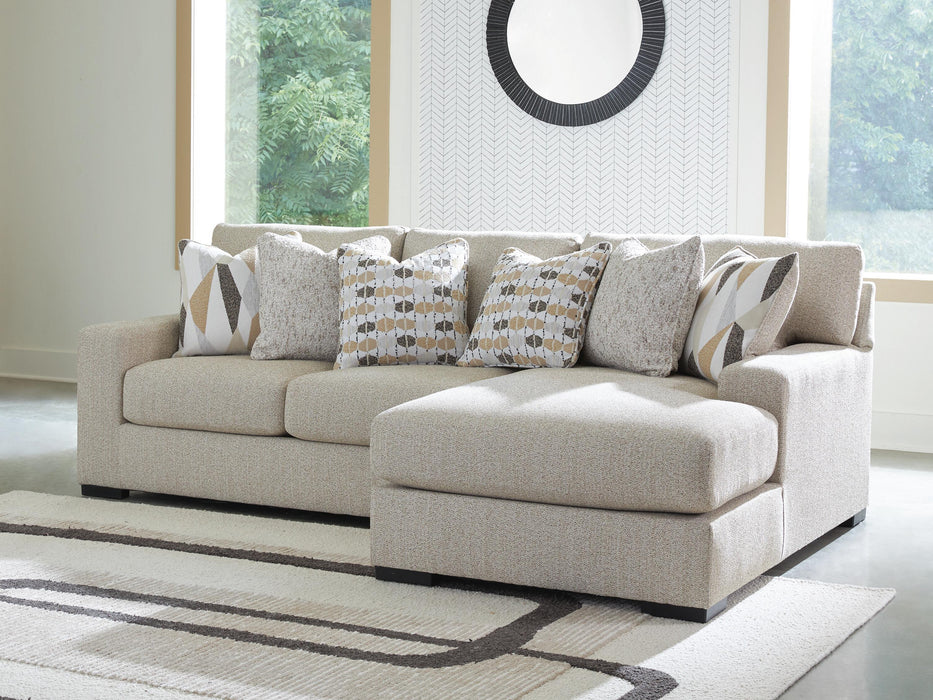
Personal lifestyle and preferences are crucial in choosing between sectionals and sofas. Consider your family’s lifestyle and dynamics when deciding.
Let’s explore how different living situations can influence your decision.
Solo Living vs Families
Individuals living alone often prioritize aesthetics and comfort over seating capacity, making a stylish sofa or chic loveseat a popular choice. Solo dwellers typically prefer smaller configurations that fit their space and style, leading them to traditional sofas over bulkier sectionals.
Families often benefit from sectionals for their additional seating and promotion of togetherness, ideal for gatherings and movie nights. While solo individuals might favor sofas for their aesthetic appeal and comfort, families typically need the functionality and space efficiency of sectionals.
Pets and Children
Sectionals can be advantageous in homes with pets and children, providing a cozy spot for family activities like movie nights. When considering furniture options, one must think about the presence of pets and children and their effects on the choice of sectional or sofa.
The durability and ease of cleaning offered by high-quality sectional materials make them a practical choice for families. Whether it’s spills from children or fur from pets, the right sectional can withstand the wear and tear of daily life.
Future Flexibility
Sectionals offer several advantages over sofas:
-
They can be reconfigured as lifestyle needs change, making them a flexible option for future adjustments.
-
They allow for more adaptable layouts as living situations change.
-
Sofas may have limitations in configuration compared to a sectional sofa.
As families grow and change, the need for separate seating options may lead to a preference for sofas over sectionals. The ability to rearrange your furniture to suit your evolving lifestyle is an essential consideration when making your choice.
Shop At Dave's Home Furnishings Today!
Now that you have a comprehensive understanding of the pros and cons of sectionals and sofas, it’s time to find the perfect piece for your home.
At Dave’s Home Furnishings, we offer a wide selection of sectionals, sofas, and other furniture to fit every style and budget. Visit us today to explore our collection and find the perfect addition to your living space!
Summary
In conclusion, the choice between a sectional and a sofa depends on various factors, including your space, style preferences, functionality needs, and budget. Sectionals offer versatility, ample seating, and potential additional features, making them ideal for larger families and frequent hosts. Sofas, on the other hand, provide flexibility, easier rearrangement, and often a more refined aesthetic.
By carefully considering your individual needs and lifestyle, you can make a well-informed decision that enhances your living space and meets your requirements. Remember, the right furniture is not just about looks—it’s about creating a comfortable, functional, and inviting home. Happy furniture hunting!
Frequently Asked Questions
How do I determine if a sectional or a sofa is better for my small living room?
To find the best fit for your small living room, measure your space and think about how you want the layout to flow. Generally, two sofas can create a more open feel, while a sectional may make the room feel tighter.
Are sectionals more expensive than traditional sofas?
Absolutely, sectionals tend to be more expensive than traditional sofas because they’re larger and come with extra pieces. It’s worth considering your budget and space when choosing!
What are the benefits of a sectional in a family room?
Sectionals are perfect for family rooms because they offer plenty of seating for everyone during gatherings or movie nights. Plus, they create a cozy and inviting atmosphere that encourages togetherness.
How do sectionals and sofas compare in terms of maintenance?
Sectionals and sofas both need regular cleaning, but sectionals often use more durable materials, making them a better fit for homes with pets and kids. So, if you're looking for something that can handle a bit more wear and tear, sectionals might be the way to go!
Can I finance the purchase of a sectional or sofa?
Absolutely, many retailers provide flexible financing options that let you pay for your sectional or sofa over time instead of all at once. It’s a great way to manage your budget!